

Piling contractors are indispensable in the construction industry, providing the expertise and technology required to create stable bases for buildings and infrastructure. These specialists shape the ground beneath our structures, ensuring long-term reliability whether the project is a complex commercial development or a residential build. By combining engineering knowledge with precise on-site execution, piling experts deliver deep foundation solutions that stand the test of time.
What do piling contractors do?
Piling contractors focus on installing piles—structural components designed to transfer loads from buildings or civil works down to stronger layers of soil or rock. Their services become crucial when surface soils lack the necessary strength or stability to support direct loads. Through careful selection of pile types and installation methods, they provide foundation solutions tailored to diverse ground conditions and structural requirements.
The involvement of these contractors typically starts during pre-construction planning, where they collaborate with engineers to determine the best approach. Choices might include driven piles, helical piles, or screw piles, depending on factors such as budget, site accessibility, load demands, and ground composition. Beyond new construction, piling contractors also address foundation repair challenges, reinforcing existing structures affected by settlement, shifting soils, or increased load needs.
Main types of piling systems
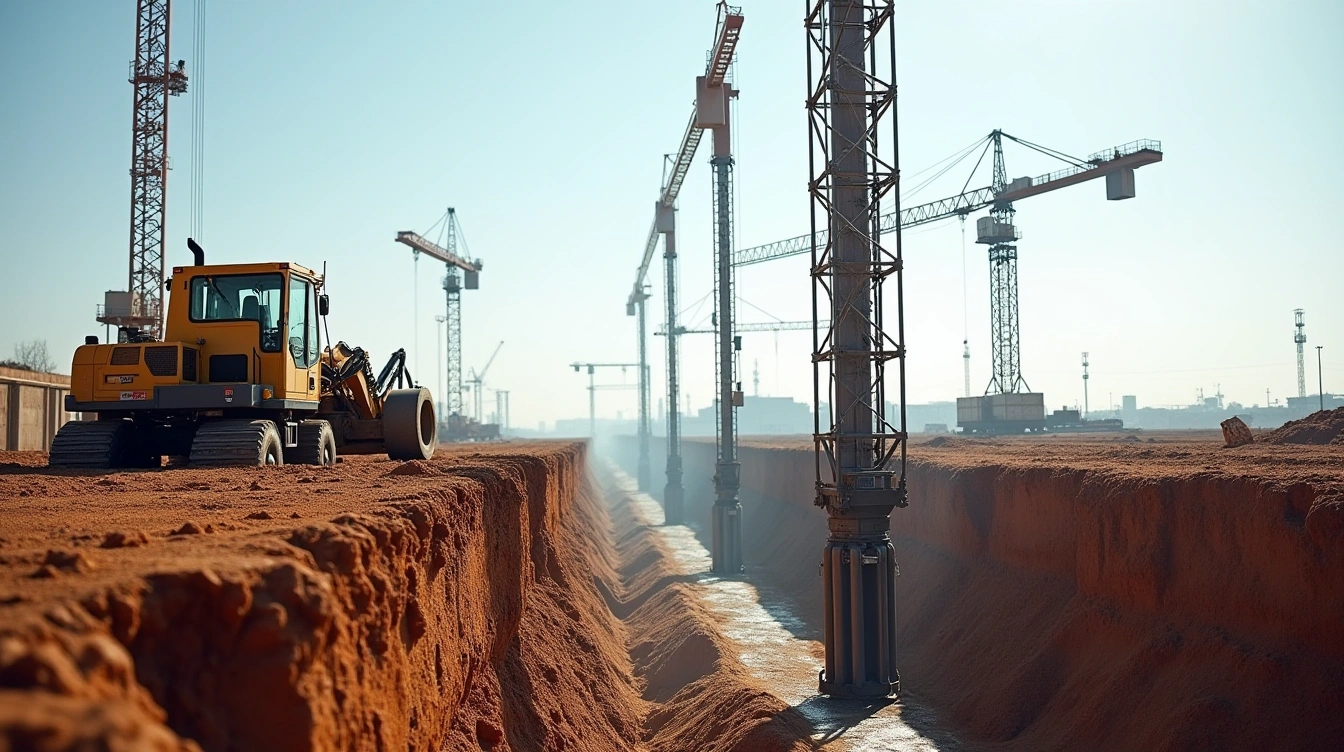
Understanding the range of piling systems available is essential for selecting the most effective solution for any building project. Each system presents unique advantages and considerations based on soil characteristics, water table levels, and site access constraints. If you’re seeking comprehensive information on different options, it is worthwhile to explore the full scope of Piling Solution Services offered by experienced professionals.
Piling experts assess technical and logistical factors to match each system to the project's needs. Over time, several approaches have become industry standards, offering versatility and robust performance across a variety of construction sites and environments.
How does pile driving work?
Pile driving involves inserting long columns—commonly made of steel, concrete, or timber—vertically into the ground until reaching a stable layer. Specialized equipment uses impact or vibration to drive these elements to precise depths, creating strong support for heavy structures like bridges, high-rises, and large residential complexes.
Driven piles perform reliably even in challenging ground conditions, delivering predictable results under load. After installation, immediate testing is possible, which helps reduce uncertainties for design teams. This dependability makes driven piles a preferred choice for many commercial projects requiring deep foundations.
Advantages of helical piles and screw piles
Helical piles, also known as screw piles or helical piers, consist of steel shafts fitted with spiral plates that are screwed into the soil. Installation is rapid, producing minimal noise and vibration—qualities highly valued for foundation repair near sensitive structures and for supporting additions beneath existing buildings.
This method isn't just reserved for repairs. Helical piles are often selected for light commercial jobs or temporary structures due to their cost-effectiveness and speed. Since there's no need to wait for curing, subsequent construction can begin right after installation. The use of smaller equipment and quiet operation make them an excellent option on tight urban sites or areas with limited access.
Project stages handled by piling contractors
Piling contractors oversee multiple phases throughout a building’s lifecycle, from initial site investigation to final capping and testing. Seamless integration with larger construction teams ensures efficiency, safety, and adherence to project timelines.
These professionals contribute more than manual labor—they offer meticulous planning and adaptable field operations. Key responsibilities at every stage include:
- 📝 Site investigation and soil analysis
- 🛠 Selection of pile type (helical piles/piers, driven piles, soldier piles, etc.)
- 🗓 Schedule coordination with other trades
- 🚧 Installation and real-time load monitoring
- 🦺 Safety and regulatory compliance
- 🔩 Foundation repair and retrofitting
Where are piling contractors most in demand?
Certain projects require the specialized skills of piling installers. Urban developments built on weak or variable soils, waterfront locations, and major infrastructure works all frequently call for professional deep foundation solutions. From office towers to industrial facilities, commercial projects rely on these experts for safe load transfer and settlement management.
In regions prone to earthquakes or flooding, contractors often employ adaptable techniques like helical piles and soldier piles to enhance lateral resistance and flexibility. Across different sectors, well-chosen piling strategies enable architects and engineers to pursue innovative designs while maintaining safety and cost-effectiveness.
Comparing popular foundation solutions
Modern piling contractors provide a wide array of foundation options, but the best solution always aligns closely with specific project objectives. Achieving the right balance between speed, environmental impact, initial costs, and durability requires expert assessment. The table below highlights three prominent systems:
| 📌 System | ⚙️ Typical uses | 💡 Key advantages |
|---|---|---|
| Driven piles | Tall buildings, bridges, heavy loads | High bearing capacity, rapid installation, immediate load testing |
| Helical piles/screw piles | Residential & retrofit, confined spaces | Low disturbance, quick setup, all-weather installation |
| Soldier piles | Excavation retention, slope stabilization | Flexible layouts, sequential installation |
Factors such as soil strength, groundwater presence, and space limitations directly guide the selection among these foundation solutions. Close collaboration with structural engineers ensures alignment between technical specifications and chosen methods.
Top-performing contractors invest in advanced machinery, enabling faster, cleaner, and safer installations. Such equipment minimizes disruption on-site and upholds stringent modern safety standards.
Choosing the right piling contractor: what matters?
Choosing a piling contractor involves much more than comparing prices. A proven track record in similar settings, robust safety protocols, and transparent project management are all critical factors. References from past clients can offer valuable insights into quality assurance and the ability to meet deadlines.
Reputable piling installers demonstrate proficiency in various deep foundation methods, not just one specialty. Long-term structural success depends on thorough risk evaluation, customized solutions, and continuous monitoring—especially if unexpected subsurface conditions arise during a project.
Frequently asked questions about piling contractors and deep foundations
What types of piles do piling contractors commonly install?
Most contractors/installers work with several pile systems, adapting choices to soil and loading needs. Common options include:
- 🌪️ Driven piles—installed by force for tall or heavy structures
- 🔩 Helical piles or screw piles—for fast setups and low-impact sites
- 🏗️ Soldier piles—for excavation support and retaining walls
Each system addresses specific requirements and can be adapted for both commercial and residential applications.